
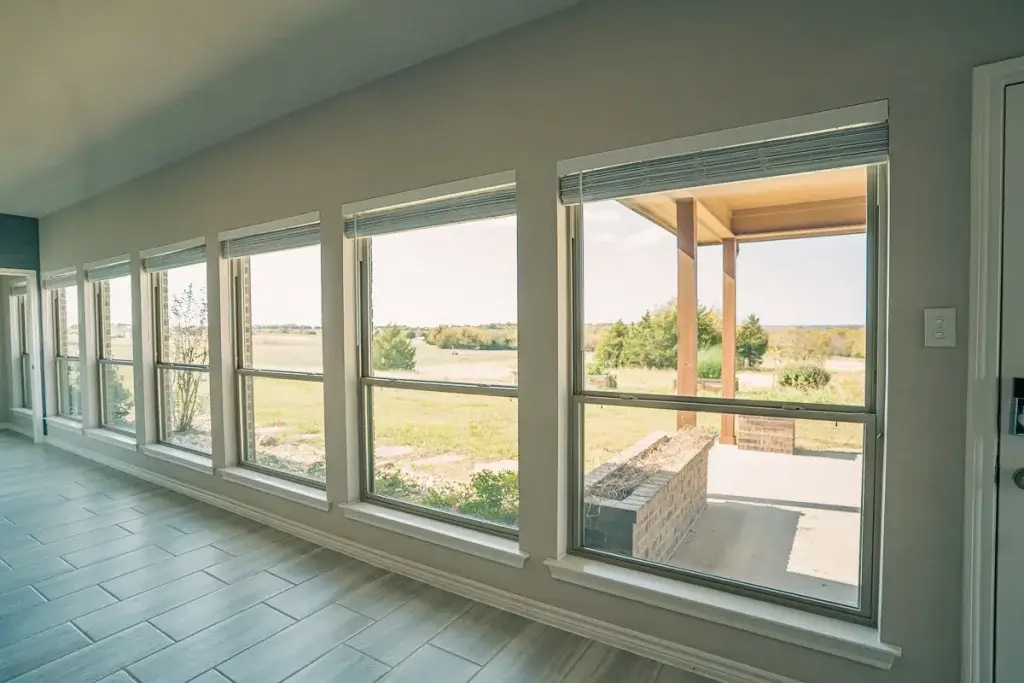
No, done properly, window replacement should not damage your walls or siding. The honest answer to “will replacing windows damage my house?” is that professional installation is designed to protect your home, not harm it. A little cosmetic disruption is expected; genuine structural or siding damage is a sign something went wrong.
Key Takeaways
- No—a professional window installation should not damage your walls or siding. Minor cosmetic touch-ups (dust, small nail holes, paint scuffs) are normal; structural or siding damage is not, and it points to a bad install.
- Full-frame replacement goes down to the wall sheathing and may briefly expose siding so crews can install proper window flashing; an insert (pocket) replacement drops into the existing frame and usually leaves siding untouched.
- You typically do not have to remove siding to replace windows. On most standard residential jobs, the siding never moves.
- Signs of a bad window installation include drafts, visible gaps, fogging between panes, water stains, and a sticking sash.
- If an installer damages your wall or siding, a reputable company owns it. Workmanship should be backed by warranty and repaired at no cost to you.
- DFW older homes in McKinney, Plano, Frisco, and Garland—often plaster interiors and brick veneer over expansive-clay soil—carry a higher cracking risk, so installer skill matters even more here.
What Kind of Damage Is Normal During Window Replacement?
Most of what homeowners worry about falls into the “minor and expected” category.
Is It Normal to See Dust, Paint Chips, or Small Nail Holes?
Yes, and any installer who tells you otherwise is overselling the cleanliness of the work. Removing an old window frame creates dust. Vibration from cutting and prying can cause hairline cracks near the opening or tiny nail holes in the drywall. Paint near the trim may scuff. These things happen.
What a quality crew does is protect your floors and furniture before starting and patch everything that needs it before they leave. You should not be left staring at a drywall ding and wondering if that’s your problem now. This type of touch up and minor repair is part of our Woodruff promise to leave your home looking better than when we arrived.
What About the Windowsill and Interior Trim?
Interior trim has to come off to access the frame, so it gets removed as part of the process. If that trim has been painted over many times, some paint pulling at the edges is possible.
What separates a full-service install from a bare-bones one is what happens after: replacing the window stool, handling touch-up paint, putting everything back clean. This is what a completed job should look like.
Can Window Installation Damage My Exterior Siding?
This is the bigger concern for most homeowners, and it comes down to the type of replacement being done.
Does Replacing a Window Mean Removing Siding?
Not always. Full-frame window replacement vs insert is the key distinction. An insert (or retrofit) replacement drops the new window into the existing frame, and the siding stays untouched except for trim or siding where damage may exist or necessary to complete a successful retrofit. . A full-frame replacement removes the old frame down to the wall sheathing, which sometimes requires temporarily pulling siding around the opening to install proper flashing. A skilled crew reinstalls it cleanly. For most standard residential replacements, the siding never moves.
What Is Flashing and Why Does It Protect Your Siding?
Flashing is the waterproof barrier installed around the window opening before the window goes in. Its job is to direct water away from the wall cavity so it can’t sneak behind your siding and rot the sheathing underneath.
Poor window flashing installation is how window installation siding damage happens, and it’s almost never visible right away. You won’t know for months or years, and when you do find it the repair cost will be expensive. This is why the process matters more than the product. Proper flashing follows recognized building science: the U.S. Department of Energy covers window flashing and weatherization basics, and the industry installation standard is ASTM E2112, which governs how exterior windows, doors, and skylights are installed and integrated with the drainage plane.
Full-Frame vs. Insert (Pocket) Replacement
Which method is right for your home? It depends on the condition of your existing frames and how much of the opening needs to be waterproofed. Full-frame replacement rebuilds the whole opening for a fresh weather seal; insert (pocket) replacement reuses a sound existing frame and disturbs the least material. Our window replacement and installation team helps DFW homeowners pick the safer option for their siding and budget.
| Factor | Full-Frame Replacement | Insert (Pocket) Replacement |
| What’s removed | Old window down to the wall sheathing, including the existing frame | Only the old sash; the sound existing frame stays in place |
| Impact on siding | Siding around the opening may be temporarily removed and reinstalled for flashing | Siding typically untouched |
| Impact on interior walls/trim | Interior trim removed and reinstalled; more finish work | Minimal—existing interior trim usually stays |
| Flashing/waterproofing | New flashing integrated with the drainage plane—best long-term water protection | Relies on the integrity of the existing frame and flashing |
| Energy efficiency | Highest—full re-insulation and sealing of the rough opening | Very good, with a slightly smaller glass area than the original opening |
| Cost | Higher, due to added labor and materials | Lower, because less is removed and rebuilt |
| Time | Longer per opening | Faster per opening |
| Best when | Existing frames are rotted, out of square, or you want a full weather-seal reset | Existing frames are sound and square and you want to preserve siding and trim |
When Does Window Installation Cause Actual Damage?
Real window replacement wall damage is avoidable. It comes from installer error, not from the nature of the job itself.
The common culprits: the wrong window gets ordered and the crew forces a fit; gaps get left without proper insulation or sealing; flashing gets skipped because it takes extra time; finish work doesn’t happen and the crew calls it done before the trim is back in place. If your installer is wrapping up without completing the finish work, or if they caused damage and aren’t addressing it, that’s a problem. Reputable installers own their mistakes. Cut-rate ones (including sometimes the most expensive big brand names) don’t.
How Do You Protect Your Home During Window Installation?
Move furniture and valuables away from work areas. Take down anything hanging near windows. Clear the outdoor perimeter around each window so the crew has room to work safely. If you have blinds or curtains, confirm in advance whether your installer handles removal (at Woodruff, we do all of this for you).
Before the crew leaves, walk through the job. Trim should be reinstalled and sitting flush, the exterior caulked and sealed, and touch-ups handled. If you see anything out of place, take pictures and point it out to the crew before they leave.
Signs of a Bad Window Installation
A poor install usually announces itself within the first season. Watch for these red flags after your windows go in:
- Drafts around the sash or frame edges, even with the window closed and locked—a sign the rough opening was not insulated or sealed.
- Visible gaps between the window frame and the wall, or trim that no longer sits flush.
- Fogging or condensation between the panes, which means the insulated glass seal has failed or was damaged during handling.
- Water stains on the interior trim, drywall, or windowsill—often the first clue that flashing was done wrong.
- A sticking sash that is hard to open, close, or lock, which points to a window forced into an out-of-square opening.
If you spot any of these, document them with photos and contact your installer right away. Choosing the right company up front is the best prevention—see our guide on how to choose a window replacement company so you can avoid a bad install before it happens.
Why the Installer Matters More Than the Window Brand
The window matters. The crew installing it matters more.
A great window installed carelessly causes problems. A good window installed correctly will perform for decades and never give you a reason to think about it again. That’s why using a specialist makes sense. Windows are a trade, and your painter who also does windows on the side is not practicing that trade at the same level.
Woodruff Windows has been doing this in North Texas since 1982. Our Certified Woodruff installers work in house for us and handle the complete job: window replacement finish work including exterior trim when needed, touch-up painting, window stool replacement, and blind removal and reinstallation. That work is built into what we consider a successful install.
Full installs run $1,000 to $2,200 per window installed. That covers professional measurement, correct flashing, and finishing work done right. You don’t go to your family doctor for heart surgery, and you don’t use your painter to install windows.
Normal lead time from signed contract to install is typicall 3 to 6 weeks . No shady cash flow games. Consultations are always free. To talk through exactly what your home needs, book a free consultation with us, and we’ll give you a straight answer.
Frequently Asked Questions
Does Replacing Windows Damage Walls?
No—done properly, replacing windows should not damage your walls. Some minor cosmetic disruption (dust, small nail holes, or paint scuffs near the trim) is normal, and a quality crew patches it before leaving. Structural cracking or unrepaired wall damage is not normal and signals installer error.
Will I Have to Remove or Replace My Siding?
Usually not. Most standard residential replacements—especially insert (pocket) installs—leave siding fully in place. With full-frame replacement, a small section of siding around the opening may be temporarily removed so flashing can be installed correctly, then reinstalled cleanly. Whole-wall siding removal is rarely necessary for a routine window swap.
Full-Frame vs. Insert—Which Is Safer for My Siding?
Insert (pocket) replacement disturbs the least material and typically leaves siding untouched, so it is the gentler option when your existing frames are sound. Full-frame replacement offers the best long-term waterproofing because new flashing is integrated with the wall, but it may briefly expose siding around the opening. A skilled crew reinstalls that siding so you can’t tell it moved.
What Damage Is Normal vs. a Red Flag?
Normal: dust, tiny nail holes, minor paint scuffs, and hairline touch-ups—all patched before the crew leaves. Red flags: drafts, visible gaps, trim that won’t sit flush, fogging between panes, water stains, and a sticking sash. Normal items are cosmetic and fixed on the spot; red flags point to a bad installation that needs to be corrected.
Who Pays if the Installer Damages My Wall or Siding?
The installer does. A reputable company backs its work with a workmanship warranty and repairs any wall or siding damage it causes at no cost to you. The window’s manufacturer warranty covers defects in the product itself, while the installer’s warranty covers the installation—ask what each covers, and for how long, before you sign.
How Do Professional Installers Protect My Home During Installation?
They protect floors and furniture before starting, remove and reinstall trim carefully, install proper flashing to keep water out, insulate and seal the rough opening, and complete all finish work and touch-ups before leaving. A final walkthrough with you confirms trim sits flush, the exterior is caulked and sealed, and nothing was left undone.
How Long Does Window Replacement Take?
The on-site install for a typical home is usually completed in a day or two, depending on how many windows you have. From signed contract to installation day, the normal lead time is about 3 to 6 weeks.



[…] even let moisture reach the surrounding structure; it’s worth understanding whether window installation can damage your walls or siding and how proper technique prevents it. Because so much of a window’s real-world […]