If you’ve noticed a draft by your living room window or watched your energy bills creep up, you’re probably wondering whether resealing your windows will fix it. How often are you supposed to do that in the first place? The short answer: most window caulking needs attention every 5-10 years, but Texas weather has other ideas.
Let’s cut through the vague “check them annually” advice and talk about what actually matters for your home.
How Often Do Windows Need to Be Resealed?
Most window frames need resealing every 5-10 years under normal conditions. But North Texas doesn’t do “normal conditions.” Between our brutal summers, surprise freezes, and the occasional hailstorm, that timeline shrinks fast.
If your home has heavy sun exposure on the exterior side, you’re looking at the shorter end of that range. We’ve seen old caulking crack and peel in as little as 3-4 years on south-facing windows that bake all afternoon.
How Long Should Window Sealant Last?
Quality acrylic latex caulk should last 5-10 years when applied correctly. The key phrase there is “applied correctly,” which means clean surfaces, proper adhesion, and someone who knows not to seal over weep holes (those tiny drain slots that keep water from rotting your window frame).
Old caulk shrinks, cracks, and pulls away from the frame. When that happens, you’re losing the airtight seal that keeps your energy bills reasonable and your home at a comfortable temperature.
Why Do Window Seals Wear Out Faster in Texas?
Texas heat accelerates everything. UV exposure breaks down caulk faster than almost anything else, and when you’re hitting 100+ degrees for weeks on end, that degradation speeds up. Add in our temperature swings (90 degrees one day, 40 degrees the next), and you’re constantly expanding and contracting that seal until it gives up.
Old windows with dry caulk show the damage faster. If your windows were installed before the mid-2000s and still have the original seal, you’re overdue.
How Do You Know If Your Windows Need to Be Resealed?
Run your hand along the window frame on a windy day. Feel air moving? That’s your answer. But if you want to catch problems before your next electric bill makes you cry, here’s what to look for.
Signs Your Window Frame Sealant Is Failing
If sealant around your window frame starts to deteriorate, it can lead to air and water infiltration that affects comfort, efficiency, and structural protection. One of the most common warning signs is visible cracking or shrinking caulk, which allows drafts and moisture to pass through.
You may also notice condensation between panes, peeling paint, or soft wood near the frame, all of which can indicate water intrusion.
Higher energy bills can also signal energy loss caused by gaps in old sealant. If you feel drafts near closed windows or see moisture after rain, those are strong indicators that resealing windows is necessary.
In many cases, minor gaps can be fixed using a caulking gun and exterior-grade sealant, but widespread deterioration or repeated leaks may require professional repair to prevent long-term water infiltration damage.
Is It Worth Getting Windows Resealed?
If your windows are less than 15 years old and structurally sound, resealing them is absolutely worth it. You’ll restore energy efficiency, stop drafts, and buy yourself several more years before considering replacement windows.
But if your windows are 20+ years old with multiple issues (like old windows that stick, hardware that doesn’t work, or visible rot), throwing money at new caulk is like putting premium gas in a car with a blown engine.
When Does DIY Window Sealing Make Sense vs. Hiring a Professional?
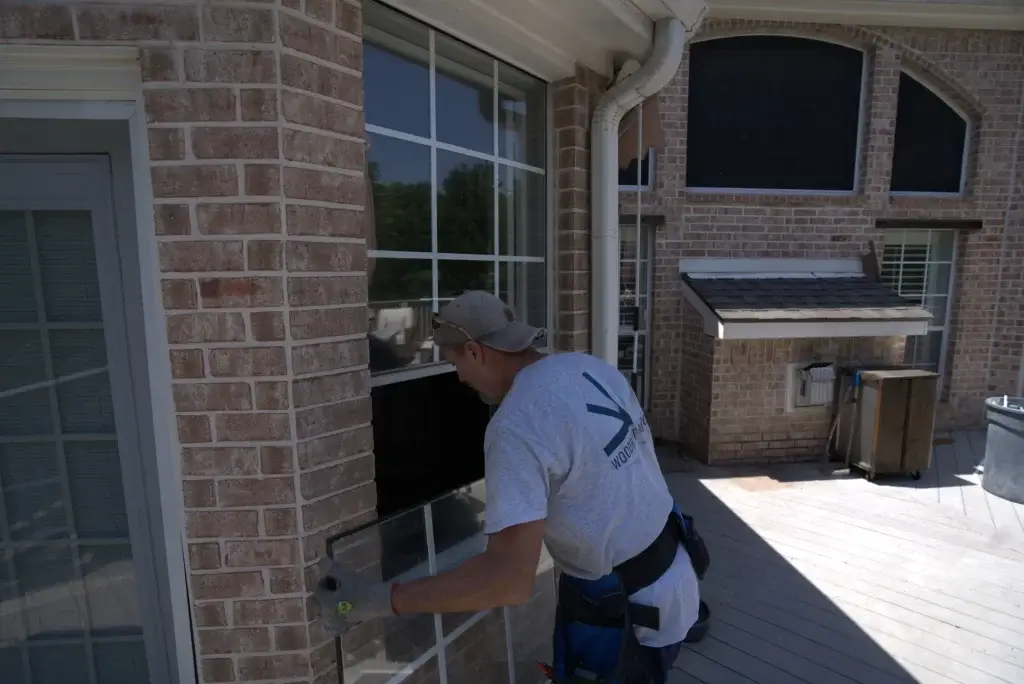
DIY makes sense for simple frames with easy access and trimmed-out windows where you’re just refreshing exterior caulk. Grab a caulk gun, some acrylic latex caulk, a putty knife for caulk removal, and rubbing alcohol to clean the surface.
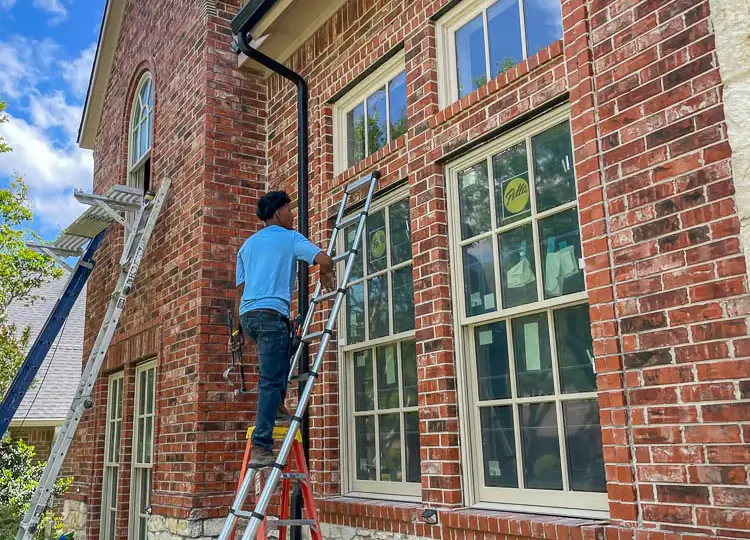
Call a professional when you’re dealing with second-story windows or water damage around the frames. We also recommend professional help when old caulk won’t adhere properly after removal, which usually means there’s an underlying moisture issue.
If scraping old caulking and perfectly applying caulk without making a mess sounds miserable, just hire someone. Your weekend is worth more than the $200-400 you’ll pay for professional sealing.
When Should You Replace Windows Instead of Resealing Them?
When windows are over 20 years old, foggy, cracked, warped, or rotting, it’s usually smarter to replace them than keep resealing or repairing. Resealing only masks the problem, while modern energy-efficient windows cut cooling costs and end the cycle of upkeep. Signs it’s time for replacement include soft wood rot, frames pulling apart or no longer square, condensation trapped between panes, or windows that won’t open, close, or lock properly. All of these things go beyond energy efficiency and become safety or structural issues.
Get Your Windows Right the First Time
We’ve been installing and maintaining windows in North Texas since 1982, which means we’ve seen every possible way window caulking can fail in our climate. Whether your windows need fresh caulk or full replacement windows, we’ll give you a straight answer about what makes sense for your home and budget.
No six-hour presentations, no fake discounts. Contact Woodruff Windows for an honest assessment and realistic pricing.