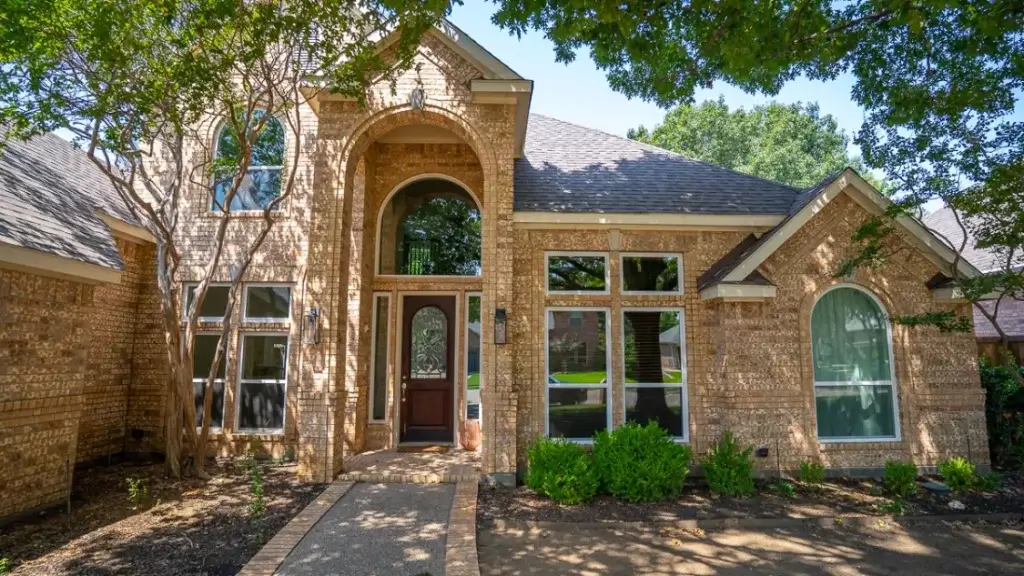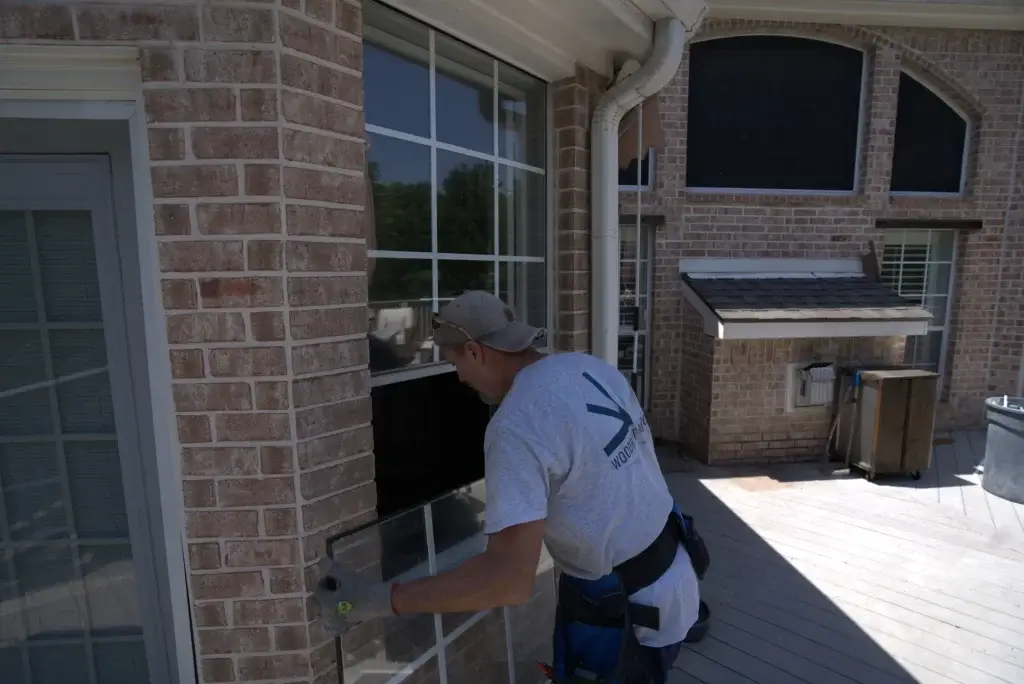

You’re drowning in options—steel and fiberglass doors, wooden doors, glass doors, double doors. Add in Texas summers, and you’re googling what won’t warp in 105-degree heat. If you’re upgrading a wide entrance, double entry doors can deliver a luxurious look while improving access.
Choosing the right door doesn’t have to be complicated. You need something that handles brutal heat, looks good, and doesn’t destroy energy bills. Let’s walk through what works without the six-hour sales pitch. Finding the perfect door means balancing aesthetics, durability, energy efficiency and working with the best door installation service.
How Do I Figure Out What Door I Need for My North Texas Home?
Ask three questions: What’s your home’s style, how much natural light do you want, and what’s your budget? These narrow hundreds of options to maybe a dozen that make sense. Architectural style matters because mismatched doors look wrong. Glass panels affect light and privacy. Most quality exterior doors run $2,500 to $8,000 fully installed. Check out our full Door Installation Pricing guide. If maximizing brightness is a goal, consider doors allowing natural light while still offering privacy options.
Should You Consider Your Architectural Style When Choosing a Door?
Yes, your door style should complement your home. Traditional homes need classic panel doors. Contemporary homes need modern wood doors with horizontal grain. Mediterranean homes in Prosper look great with iron doors. Your architectural style determines hardware—oil-rubbed bronze for traditional, matte black for modern. For classic architecture, traditional wood doors often provide the best visual match.
Entry vs. Patio Doors When Choosing the Right Doors for a North Texas Home
When choosing the right doors for a North Texas home, understanding the difference between entry doors and patio doors helps you select the best option for performance, durability, and design. Entry doors, especially a front door, are built for security, insulation, and curb appeal, while patio doors are designed to maximize light, views, and access to outdoor spaces. Because Texas weather includes intense heat, storms, and humidity, door material plays a major role in long-term performance.
For entry doors, many homeowners choose steel doors or metal doors for strength and protection, while fiberglass doors are popular for their durability and resistance to warping. Wood doors offer a classic door style and aesthetic appeal but may require more maintenance in fluctuating climates. Patio doors, on the other hand, often prioritize energy efficiency and glass performance, making insulated frames and weather-tight seals essential.
Comparing these options side by side makes it easier to match the right door style and material to your home’s needs, climate demands, and design goals, ensuring both performance and visual impact.
How Much Natural Light Do You Want Your Door to Provide?
Full glass doors flood entryways with natural light but reduce privacy and insulation. Half-glass doors balance both. In North Texas, more glass means more heat during Texas summers unless you use Low-E coatings. South-facing doors need better glass or less of it. Energy-conscious homeowners should prioritize Low-E coatings to block heat gain.
Which Door Material Works Best in Texas Summers?
Fiberglass and steel handle Texas heat best. Both resist warping and survive 100+ degree stretches. Wood looks beautiful but needs maintenance. Steel and fiberglass doors dominate North Texas because they don’t expand like wood and provide solid energy efficiency. Choosing the right door material helps maintain performance during extreme temperature shifts.
Do Steel and Fiberglass Doors Really Outperform Solid Wood in Heat?
Yes, because they don’t move. Solid wood expands and contracts with temperature changes. Steel and fiberglass doors have foam cores that stay stable. Steel won’t warp and is very affordable. Fiberglass costs more but won’t get as hot or rust. Insulated doors have R-values between 10 and 15. Many models now come with insulated cores that improve both comfort and efficiency.
Why Are Wooden Doors and Iron Doors Still Popular in Texas?
They look incredible. Modern wood doors have a richness that fiberglass can’t match. Iron doors are the official door of North Texas luxury homes. Wooden doors work with annual maintenance. Iron doors need thermal breaks and quality seals around glass door panels.
What Door Style Makes Sense for Your Home?
Your door style needs to match your architecture and usage. Single doors work for most homes. Double doors make grand entrances but cost more. Patio doors focus on indoor-outdoor flow. Multi-point locking systems offer better security and are standard on quality doors. A good door plays a key role in both security and style for any entrance.
Should You Choose Glass Doors or Double Doors for Your Front Door?
Glass doors maximize natural light but reduce security. Double doors make statements but cost more. Most North Texas homes do fine with single doors that have some glass—maybe sidelights. Double doors make sense for large entryways (7+ feet wide). Just be sure your door choice aligns with your home’s layout and climate needs.
How Do Patio Doors Compare to French Doors for Your Space?
Patio doors (sliding) save space, cost less, and provide unobstructed views. French doors (hinged pairs) provide traditional aesthetics and wider openings, but they need swing clearance. Both work when properly insulated. Whether you go with sliding or French, the perfect door depends on how you use the space.
How Do You Pick a Door That Improves Energy Efficiency?
Look for polyurethane foam insulation, quality weatherstripping, and proper seals. The door frame matters as much as the door—gaps leak more air. Improving energy efficiency only works with proper installation. Energy-efficient doors have R-values of R-10 to R-15 and use Low-E glass on glass panels. Opting for Energy Star certified doors can give you confidence the product meets Southern climate standards.
What Makes Energy-Efficient Doors Worth the Investment?
Energy-efficient doors reduce heat transfer, so your AC works less during Texas summers. They block air infiltration, preventing drafts and reducing dust. The real value is comfort. Quality insulated doors reduce noise and last longer. Are they worth paying an extra $500-$1,000? In North Texas, yes, as the door prevents heat transfer more than in milder climates.
Do You Really Need Energy Star Certification for Texas Doors?
Energy Star certification indicates the door meets Southern climate requirements. It’s a decent baseline, but not the only indicator. Look at specs for a U-factor of 0.30 or lower. Focus on well-insulated doors with quality glass and professional installation.
Which Doors Increase Home Value in North Texas?
Quality entry doors that match architectural style add value. Replacing dated doors returns a strong ROI. Modern doors work in contemporary neighborhoods. Traditional panel doors work in established suburbs. Patio doors connecting indoor and outdoor spaces appeal to buyers.
Should Doors Be Darker or Lighter Than Walls?
Darker doors create better contrast and curb appeal. Most homes benefit from doors 2-3 shades darker than trim. All-black or dark front door colors are popular on neutral exteriors. Lighter doors reduce heat absorption if your entry faces south or west. Current North Texas trends favor dark doors for contrast.
Ready for an Honest Conversation About Your Doors?
We’ve been installing doors in North Texas since 1982. We carry Pella, Burris, and other quality brands in steel, fiberglass, and wood-clad materials. No six-hour presentations, no fake discounts. Just honest pricing, professional installation by our crews, and 3-week lead times. Visit woodruffwindows.com to schedule a consultation.