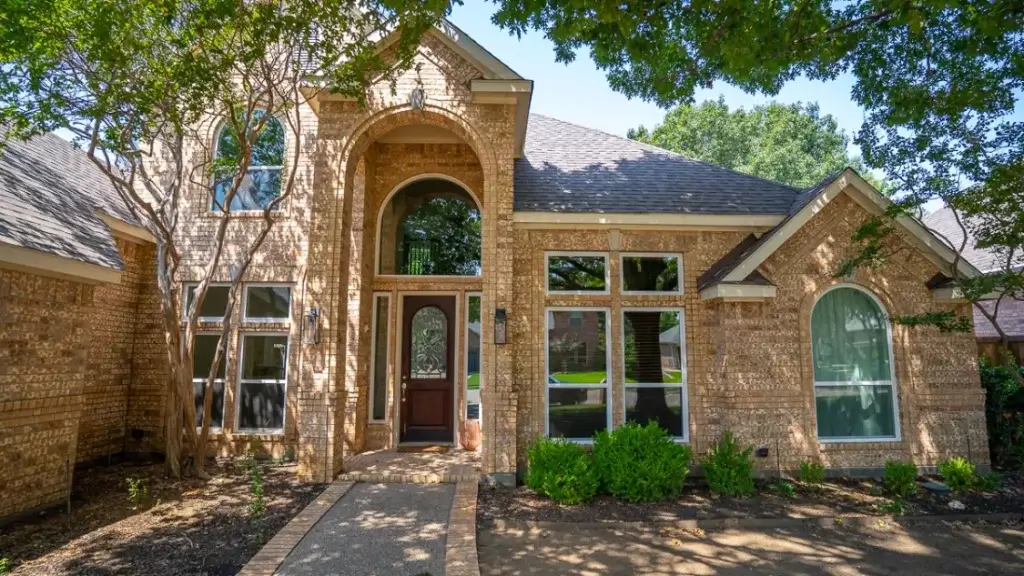

When the time comes for door or window replacement, homeowners have lots of options to choose from. Branding gimmicks can also be misleading, making it hard to choose the right product.
One of the terms you’re likely to come across is “high-performance,” but what does that actually mean for windows and doors? In this quick guide, you’ll find out what makes a window “high-performance,” and how to decide if it’s worth the extra money.
What Is a High-Performance Window?
High-performance windows have extra features that give them better energy performance and insulation. They’re also more resistant to fogging and discoloration, and tend to last longer than less expensive windows. Double pane windows, with glass panes separated by insulating gas, are a hallmark of high-performance design.
Why Does High-Performance Matter for Your Texas Climate Zone?
The main benefit of opting for high-performance windows is energy efficiency. By preventing heat transfer, energy-efficient windows allow your HVAC system to cool or heat your home without using as much power.
Especially in the Texas heat, high-performance windows are a great way to keep your home at a comfortable temperature while reducing your utility bills. These windows also help block solar heat, making your interior cooler during intense summer days.
6 Benefits of High-Efficiency Windows and Doors
Upgrading to high performance windows is one of the most impactful changes a homeowner can make for long-term energy performance. Beyond the immediate comfort improvements, a quality performance window delivers measurable returns across energy bills, home value, and daily livability — especially in a climate like North Texas where solar heat puts constant pressure on your HVAC system all summer long.
- Lower Energy Bills — Energy efficient windows reduce heat transfer through glass panes, meaning your HVAC system runs shorter cycles to maintain a comfortable temperature. ENERGY STAR certified windows can reduce energy bills by up to 15% annually compared to standard single-pane units.
- Reduced Solar Heat Gain — A window’s solar heat gain coefficient measures how much solar heat passes through the glass. High performance windows with a low solar heat gain coefficient block solar heat before it enters the home, which is a critical feature for south and west facing windows in Texas.
- Better Insulation Year Round — Multiple glass panes filled with insulating gas create a thermal barrier that keeps conditioned air inside and outdoor temperatures outside, improving overall energy efficiency in both summer and winter months.
- Less Strain on Your HVAC System — When windows block solar heat effectively and maintain strong seals, your heating and cooling system does not have to compensate for heat loss or gain. That means less wear, fewer repairs, and a longer system lifespan.
- ENERGY STAR Certification and Tax Incentives — Windows that meet ENERGY STAR standards have verified energy performance ratings and may qualify homeowners for federal tax credits, making the upfront investment more manageable.
- Improved Natural Light Without the Heat — High performance windows with the right visible transmittance rating let in abundant natural light while limiting the solar heat that typically comes with it, so rooms feel brighter without feeling warmer.
What Makes a Window or Door High-Performance?
The term “high-performance” doesn’t have a set definition. Rather, it’s an umbrella term for windows with extra features like durability, energy efficiency, and sound insulation. Fortunately, there are specific window performance ratings you can use to gauge how well they work. Some high-performance models may also meet ENERGY STAR criteria, helping homeowners qualify for incentives.
What Are the Most Important Performance Ratings I Should Know About?
These are the performance indicators you should look for to assess and compare windows:
- U-factor: How much a window transmits non-solar heat (Windows with a higher U-factor are less energy-efficient)
- Solar heat gain coefficient (SHGC): How much radiation a window allows into your home as heat (higher SHGC windows allow more heat into the home, but can save on heating costs in the winter)
- Air leakage (AL): Windows with high air leakage ratings are worse at keeping outside air out of your home
- Visible Transmittance (VT): How much visible light a window lets in
- Light-to-solar gain (LSG): A ratio of VT to SHGC, reflecting how much light a window lets in vs how well it keeps heat out
Most window performance ratings come from one of these organizations:
- ENERGY STAR: ENERGY-STAR-certified windows meet or exceed the organization’s standards of energy efficiency. An ENERGY STAR label includes U-factor and SHGC.
- National Fenestration Rating Council (NFRC): A nonprofit program offering a standardized rating system for U-factor, SHGC, VT, and sometimes air leakage and condensation resistance.
- Fenestration & Glazing Industry Alliance (FGIA): Reports on product performance and quality based on industry professional evaluations.
Is a Higher SHGC Better or Worse for Texas Homes?
A higher SHGC means a window will allow more solar heat into your home. In hotter climate zones, a low SHGC is ideal. However, when it’s cold outside, high SHGC windows allow your home to store more heat from the sun.
The Dallas, TX area has a milder climate than parts of the state, but the summer highs are often in the 90s. In most cases, Texas homeowners should look for a low SHGC to help keep the home cool.
The right SHGC for your home depends on factors like how many windows, the type of HVAC system, and the size of your home. A window professional will be able to advise you based on your specific situation.
Are High-Performance Windows Worth It?
Upgrading to high-performance windows can save you money in a few different ways:
- Energy savings
- Reduced wear and tear on HVAC
- Less fading on upholstery and carpet
- Increased home resale value
- Tax credits for window energy efficiency
- Less maintenance and fewer repairs
How Much Can You Really Save on Energy Bills?
ENERGY STAR windows can save homeowners 15% on energy bills, as much as $500 annually. Here are some of the features that make windows more energy-efficient:
- Low-E glass: Coated with an invisible film that reflects UV rays
- Insulated glass units: Dual-pane windows or triple-pane windows with an insulating layer of gas between multiple sheets of glass
- Insulating window frames: For better thermal performance, windows should use insulating materials like vinyl, composite, or fiberglass
How Do You Know You’re Getting Real High-Performance Products?
Look for measurable energy-saving features instead of just the word “high-performance” on the packaging. ENERGY STAR and NFRC-rated windows will have a clear label that shows the different performance ratings.
What Does the ENERGY STAR Label Actually Mean?
The ENERGY STAR label shows the U-factor and SHGC, and the certification means the NFRC tested and verified the ratings. The certification also means the window performance rating meets the EPA’s energy efficiency guidelines.
Find Out if High-Performance Windows Are Right for Your Home
High-performance windows can save you money in the long term, but it’s also important to avoid wasting money on features you don’t need. At Woodruff Windows, you can count on straight answers and no marketing gimmicks. We specialize in window and door replacement. Contact us today to speak with one of our knowledgeable window experts!