
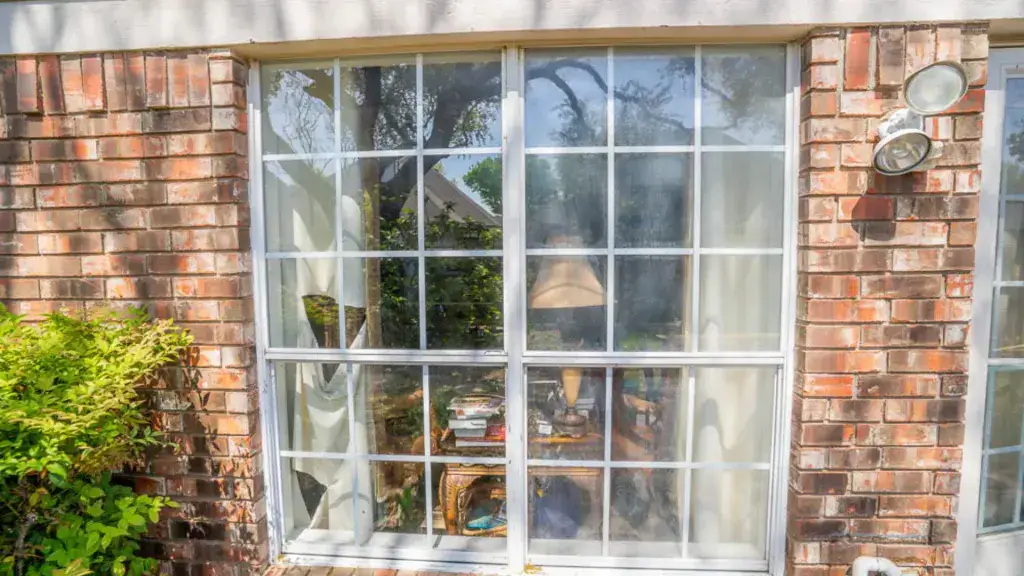
You wake up, head to the kitchen for coffee, and notice your glass looks foggy and wet. Before assuming something is wrong, take a breath. That moisture is usually window condensation, and in many homes it’s a normal reaction to changing temperatures and humidity levels.
Condensation on windows forms when warm humid air or everyday humid air inside your home meets a cold surface like window glass. This can show up as interior window condensation in the morning or even exterior condensation on the outside pane. It doesn’t automatically mean your windows are failing—it often just means there’s a difference between indoor and outdoor conditions.
The good news is that most condensation issues are manageable. Once you understand why it happens, it becomes much easier to reduce condensation and prevent condensation on windows. Let’s break down what’s really going on and when it might be a sign of a bigger issue.
Why Are My Windows Covered in Condensation Every Morning?
Condensation on windows happens when warm air carrying moisture hits a cold surface and can’t hold onto that moisture anymore. The water droplets forming on your window glass are basically your home’s humidity taking a nap on the coldest spot it can find—which is usually your windows and doors.
Your cold drink sweats on a hot day because the air comes into contact with something cooler. Your windows do the same thing in reverse. When moist air meets your cold glass, boom—instant fog and drips. This is completely normal in certain situations, which brings us to the real question: what type of condensation are you dealing with?
What Causes Condensation Inside Windows?
Interior window condensation happens when your home’s indoor air is warmer and more humid than your window panes. The humid air hits the cold glass, reaches its dew point, and releases moisture onto the surface.
Common causes include:
- Warm, humid indoor air meeting a cold glass surface
- Running air conditioning frequently during hot weather
- Hot showers without using bathroom exhaust fans
- High indoor humidity in humid climates
- Everyday activities like cooking and laundry that add moisture to the air
When Is Interior Window Condensation Normal?
Light fog after cooking dinner, showering, or running the dishwasher—especially on window frames or lower corners of glass panes—is just moisture buildup doing its thing. You should expect occasional moisture when it’s freezing outside and toasty inside, particularly if you have energy-efficient windows that create a sharp temperature difference. Modern triple-pane windows actually make this more likely because they’re doing their job.
Does Condensation on Windows Mean the House Is Too Cold?
Not quite. Condensation on your windows actually means your house is warm and humid, while your window glass is cold. If you see persistent fog even when your heat is cranking, you’ve got a humidity level problem, not a temperature problem. Your home needs better air circulation or lower relative humidity—not higher heat settings that’ll spike your energy costs.
What Causes Exterior Window Condensation?
Exterior window condensation is essentially the opposite situation—and it’s usually a good sign. It happens when the outside glass surface is cooler than the outdoor air, allowing moisture in the air to collect as dew on the glass.
Common causes include:
- Cool window glass meeting warmer, humid outdoor air
- Overnight temperature drops that cool the exterior glass
- High outdoor humidity in the early morning
- Energy-efficient windows that reduce heat transfer from inside to outside
- Normal morning dew forming on glass, similar to car windshields
What Causes Window Pane Condensation Between the Glass?
Now we’re talking about a real problem. Window pane condensation between the glass means the seal has failed. That airspace is supposed to be airtight. When moisture gets in there, you’ve got a broken seal that shows up as fog you can’t reach because it’s trapped between the layers.
Is Condensation Between Window Panes a Problem?
Yes. When fogged-up windows have moisture between the glass, the insulating value drops, your view is permanently clouded, and the window is essentially broken. The good news? You usually don’t need a full window replacement—just the glass pane unit itself in most cases.Seal failure is one of the most common window problems, particularly in windows 10-20 years old. We see this constantly in DFW with our temperature swings.
Prevention Tips to Reduce Condensation on Windows
If you’re dealing with frequent window moisture, the goal is to control indoor humidity and limit how much warm, moist air reaches cold glass. Small daily habits and a few home adjustments can make a noticeable difference. Here are practical ways to reduce condensation on windows:
- Turn on kitchen and bathroom exhaust fans during and after cooking or showering to remove moist air
- Improve airflow by opening interior doors and using ceiling or standing fans
- Use a dehumidifier to keep indoor humidity at a healthy level, especially in humid seasons
- Keep your thermostat consistent to avoid big indoor temperature swings
- Dry clothes outdoors or in a well-ventilated laundry area instead of inside living spaces
- Make sure window seals and weatherstripping are in good shape to limit temperature differences near the glass
Should I Wipe Condensation off Windows?
For interior window condensation, yes—wipe condensation off regularly to prevent mold growth on your window frames, sills, or wooden window frames. Standing water can damage wood trim, especially around patio doors where moisture tends to pool.
For exterior window condensation, don’t bother. It’ll evaporate once the sun comes up. You can’t fix physics, and there’s no point fighting morning dew.
How Do You Stop Condensation on Windows?
To prevent condensation and reduce condensation on interior surfaces, you need to control humidity and improve air circulation. Use exhaust fans when cooking or showering, run your HVAC fan to circulate air throughout the house, and open windows periodically on mild days to exchange indoor air with fresh outdoor air.
If you’re dealing with excessive moisture year-round, consider a dehumidifier—especially in humid climates or tight, well-insulated homes where air moisture doesn’t escape naturally.
How Can I Control Humidity Levels at Home?
Managing humidity levels means addressing the sources: run exhaust fans during showers and while cooking, fix any plumbing leaks, vent your dryer outside, and avoid overwatering indoor plants. Keeping indoor humidity between 30-50% helps prevent both mold growth and excessive moisture issues. Small changes—like shorter showers with the fan running—can significantly reduce condensation without requiring major equipment investments.
Get Honest Answers About Your Windows
If you’re seeing moisture between your window panes or dealing with persistent condensation on windows that won’t quit, we’ll give you a straight answer about what’s wrong and what it’ll actually cost to fix. No six-hour presentations, no fake discounts from fantasy prices—just honest evaluation and realistic options.
We’ve been doing this in DFW since 1982, which means we’ve seen every type of window condensation problem this climate can throw at a house.Contact Woodruff Windows, and we’ll figure out whether you need a simple fix, a glass replacement, or just better exhaust fans.