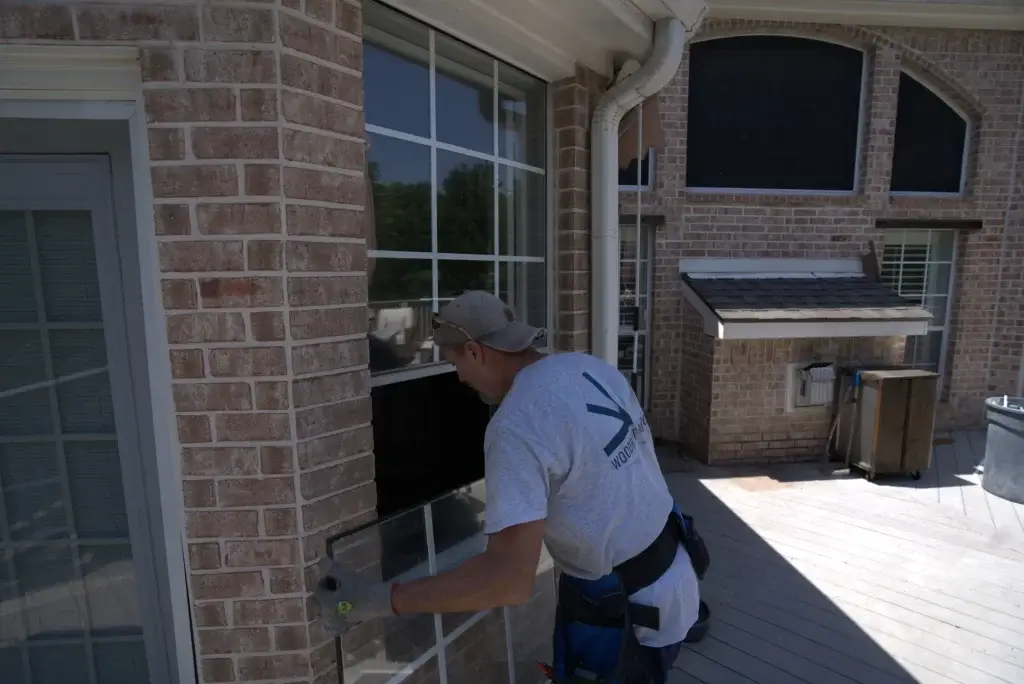

You know that noise. The one that makes everyone in the house stop and cringe every time you open a window or door. The screech that somehow gets louder the more you try to ignore it. Yeah, we’re talking about squeaky windows and doors; the soundtrack nobody asked for.
Good news: most squeaks are fixable with stuff you probably already have. Better news: we’ll tell you straight whether you’re dealing with a quick fix or a sign that a window replacement is coming. Let’s dive in!
What Causes Squeaky Windows?
Squeaky windows are usually caused by friction between moving parts such as tracks, hinges, or frame components. Dirt buildup, dried lubricant, or warped window frames can make the sash drag when opening or closing. Temperature changes can also cause materials to expand and contract, which increases resistance and creates noise. In many cases, lack of maintenance is the main reason, and cleaning the tracks or applying the right lubricant can quickly resolve the issue.
What Causes Squeaky Doors?
Squeaky doors typically happen when metal components rub together without enough lubrication. The most common culprit is a dry hinge, but misalignment, loose screws, or humidity-related swelling can also create friction and noise. Over time, dust and debris may collect inside the hinge mechanism, making the sound worse. Addressing the root cause—such as tightening hardware, cleaning hinges, or applying a proper lubricant—usually eliminates the squeak and restores smooth operation.
Why Does My Window Screech When I Roll It Down?
Window screeching usually means the tracks are dirty, the rollers need lubrication, or loose screws are letting the sash wobble in the frame. Dust and debris accumulate in window tracks, adding just enough friction to create that charming operatic sound every time you slide the window open.
What Makes Door Hinges Squeak?
Door hinges squeak when the metal pin rubs against the barrel without lubrication, or when rust builds up inside the hinge mechanism. Every time you swing that door open, metal grinds against metal. Add some dust, maybe a bit of rust, and you’ve got yourself a neighborhood announcement system.
How to Fix a Squeaky Window: Step by Step
Most squeaky windows are caused by dirt buildup, friction between moving parts, or lack of lubrication. In many cases, the issue can be fixed quickly with basic cleaning and maintenance, without needing repairs or replacements.
Steps by Step
- Open the window and inspect tracks and hardware.
- Remove dust and debris from the tracks.
- Wipe clean and dry the surfaces.
- Apply silicone lubricant to moving parts.
- Open and close the window to distribute lubricant.
- Tighten any loose screws or hardware.
- Check for alignment or structural issues if noise continues.
How Do I Get My Windows To Stop Squeaking?
Clean the window tracks thoroughly with a soft cloth to remove dust and debris, then apply a silicone spray or dry lubricant to all moving parts. Skip the petroleum jelly; it attracts more dirt and creates a sticky mess.
Start by removing any visible dirt and other residue from the tracks using a vacuum or soft cloth. Once everything’s clean, tighten any loose screws you find on the window hardware. Then apply a small amount of silicone spray (also called silicon spray) to the tracks and any metal parts that move.
Wipe away excess lubricant and test the window a few times to work it into all the moving parts. If the squeak persists, you might be looking at worn-out rollers or damaged hardware rather than just a maintenance issue.
What Is The Best Lubricant For Squeaky Windows?
Silicone spray is the best lubricant for squeaky windows because it reduces friction without attracting dust or leaving sticky residue. Dry lubricants like graphite powder also work well for window locks and metal-on-metal contact points. Follow the manufacturer’s instructions: oversaturating parts causes more problems than it solves.
Avoid using regular oil or WD-40 as a long-term solution. They might quiet things down temporarily, but they attract dust particles and create buildup that makes squeaks worse over time.
How Do You Stop A Door From Squeaking?
Remove the hinge pin, clean off any rust or dirt, apply a dry lubricant or silicone spray, then tap the pin back into place. For most doors, you don’t even need to remove the entire hinge. Just work on the pins one at a time. This takes about five minutes per hinge.
If you can’t remove the pin easily, apply lubricant directly to the top of the hinge and let gravity do the work. Open and close the door a few times to work the lubricant into the barrel. Check that all hinge screws are tight while you’re at it, as loose screws let the door shift and rub in ways that create noise.
Does WD-40 Help With Squeaky Doors?
WD-40 temporarily stops squeaky doors by displacing moisture and reducing friction, but it’s not a long-term solution because it evaporates and attracts dust. Use it in a pinch when you need immediate quiet, but plan to follow up with proper silicone spray or dry lubricant within a few weeks.
When Should You Replace Squeaky Windows Instead Of Fixing Them?
Replace squeaky windows when the noise persists after cleaning and lubrication, when you notice broken hardware that can’t be adjusted, or when the frames show visible damage like rot or warping. A squeak is just a squeak — until it’s a symptom of something bigger.
If your windows are more than 15-20 years old and squeaking is just one item on a growing list of problems (foggy glass, drafts, difficulty opening), you’re probably past the maintenance phase. Trying to nurse along failing units costs more in energy bills and frustration than just replacing them. If you’ve reached that point, it’s worth understanding whether custom windows are worth it compared to standard big-box options before you start collecting quotes.
How Do You Know If Your Windows Need Replacement?
Your windows need replacement when you notice condensation between panes, feel drafts even when they’re closed, struggle to open or lock them, or see visible damage to frames or seals. If you’re noticing higher energy bills or hardware that’s broken rather than just loose, repair time is over.
Why Choose Professional Window Replacement In DFW?
When squeaky windows signal it’s time for replacement, we’ve got you covered. Woodruff Windows has served DFW families since 1982 with honest pricing, professional installation, and zero six-hour sales presentations. We’ll tell you straight whether you need new windows or just better maintenance. Contact us for a free consultation.